Fondazione Reggio Children at KOMPAS 2026: Three Days of Dialogue Between Research and Educational Practices
An international dialogue in Sarajevo on the professional identity of those who educate. Fondazione Reggio Children contributed to the conference with a keynote lecture, workshops and a panel dedicated to Carla Rinaldi's thinking and pedagogical legacy.

From 22 to 24 October, Sarajevo hosted the third edition of KOMPAS – Competent Systems in Early Childhood Education and Care, an international conference bringing together academics, researchers, teachers, educators and education policy representatives to exchange perspectives on educational systems and the professional identity of those who educate.
Fondazione Reggio Children – Centro Loris Malaguzzi ETS, one of the co-organisers of the 2026 edition, together with the Faculty of Educational Sciences of Josip Juraj Strossmayer University of Osijek (Croatia) and the Faculty of Pedagogy of the University of Sarajevo (Bosnia and Herzegovina), took part in the conference with several contributions, bringing its perspective on the relationship between education, research and the shared construction of knowledge.
Featuring five keynote lectures and more than eighty contributions across parallel sessions, panels, workshops and exhibitions, the conference focused on one central question: What do we become together? This perspective invites us to consider professional identity not as a fixed set of skills and roles, but as an ongoing process shaped by relationships, contexts and shared experiences.
During the conference, Cristian Fabbi, Director of Fondazione Reggio Children, delivered the keynote lecture "Play Explore Research: A New Paradigm for Education", hosted at the restored Sarajevo City Hall Library, in the presence of the Mayor and the University Rector.
A particularly significant moment was the panel dedicated to Carla Rinaldi, founder and leading figure of the Reggio Emilia educational approach. Cristian Fabbi and Camilla Cadice, pedagogista, invited participants to reflect on the value and continuing relevance of her thinking, through video excerpts and a selection of her writings.
The discussion explored some of the key themes of her pedagogical thinking: the pedagogy of listening, education as a political act, and professional identity as a relational and collective process, constantly evolving. It was an opportunity to consider how her legacy can continue to generate new questions, interpretations and perspectives in response to contemporary educational challenges.
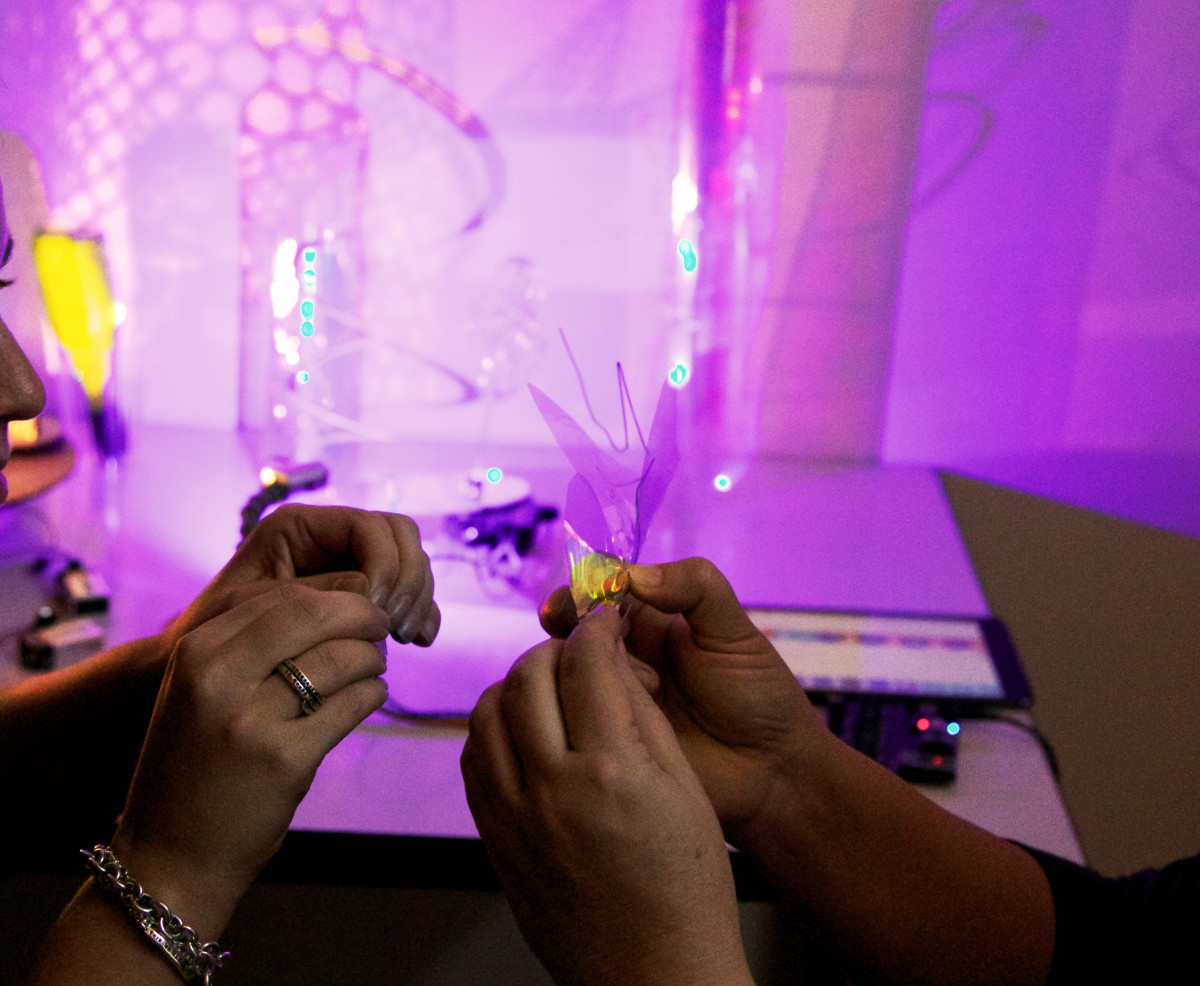
The programme also involved Riccardo Ronzoni, atelierista at Fondazione Reggio Children, who led the workshop "The Body That Feels", exploring the body as a fundamental dimension of experience and knowledge.
The research of emerging scholars from the PhD in Reggio Childhood Studies also featured in the programme. Lisa Goddard presented a contribution on children's play in the Anthropocene, explored through pedagogical documentation, while Sumire Iikawa shared her research on everyday somaesthetic experiences across three different sociocultural contexts of early childhood education. Both also contributed to the workshops and discussions in the parallel sessions.
Participation in KOMPAS 2026 provided an opportunity for international exchange and reflection, bringing academic perspectives, professional experiences and educational practices into dialogue. A shared discussion that reaffirmed the value of a professional identity built together with others, through listening, research and the ongoing questioning of one's own educational practice.

The Mayor of Sarajevo in the audience at the Library

Highlights from the KOMPAS activities

Cristian Fabbi in the audience before his speech at KOMPAS

Speakers and Fondazione Reggio Children staff in the audience in Sarajevo
Download the press release:
Keep updated on events and news from Fondazione Reggio Children
Sign up to the newsletter